Pneumococcal disease is a collection of infections caused by the Streptococcus pneumoniae bacterium. These infections can lead to serious illness, especially in young children, older adults, and people with ongoing health conditions.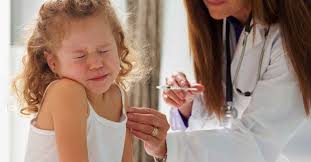
Because of the potential risks, vaccination is an important way to protect against pneumococcal disease.
In the U.S., two main types of pneumococcal vaccines are used. Both are proven to be safe and effective. Like most vaccines, they can cause mild side effects, which usually go away within a few days. The most common include:
-
Redness, swelling, or tenderness at the injection site
-
Mild fever
-
Fatigue
-
Headache
Here’s what to know about pneumococcal disease, the available vaccines, and what to expect after vaccination.
What Is Pneumococcal Disease?
Pneumococcal disease is caused by Streptococcus pneumoniae, a bacterium that spreads through contact with respiratory droplets such as mucus or saliva. Although it can affect anyone, it’s particularly dangerous for children, older adults, and people with weakened immune systems or chronic illnesses.
Infections can range from mild to severe and may lead to:
-
Pneumonia
-
Meningitis
-
Sinus infections
-
Middle ear infections (otitis media)
-
Blood infections (bacteremia)
The Two Types of Pneumococcal Vaccines
Vaccination helps protect you and your community by reducing both the risk of infection and transmission.
Although vaccines can’t prevent every case, the Centers for Disease Control and Prevention (CDC) notes that even one dose can provide meaningful protection against several pneumococcal strains.
The two available vaccines are:
PCV13 (Pneumococcal Conjugate Vaccine)
PCV13 protects against 13 types of pneumococcal bacteria. It’s given as four doses to infants and a single dose for certain adults.
Recommended for:
-
Children under 2 years old
-
Adults 65 years and older (after consulting a doctor)
-
Individuals aged 2–64 with health conditions such as diabetes, HIV, or heart, lung, liver, or kidney disease
PPSV23 (Pneumococcal Polysaccharide Vaccine)
PPSV23 guards against 23 pneumococcal strains and is typically administered as one dose.
Recommended for:
-
Adults aged 65 and older
-
Individuals aged 2–64 with specific chronic health problems
-
Adults aged 19–64 who smoke
Common Mild Side Effects
Both vaccines can cause mild side effects that generally resolve on their own within a few days.
PCV13 side effects may include:
-
Pain, redness, or swelling at the shot site
-
Low fever or chills
-
Headache
-
Sleepiness or drowsiness
-
Decreased appetite
-
Irritability
PPSV23 side effects may include:
-
Redness, soreness, or swelling at the injection site
-
Mild fever
-
Muscle aches
-
Fatigue
-
Headache
Rare but Serious Reactions
Although extremely uncommon, severe allergic reactions (anaphylaxis) can occur after pneumococcal vaccination. The CDC estimates this happens in about 1 out of every 1 million doses.
Symptoms of a severe reaction may include:
-
Difficulty breathing or wheezing
-
Rapid heartbeat
-
Light-headedness or fainting
-
Clammy skin
-
Anxiety or a feeling of panic
-
Confusion
If any of these symptoms develop, seek medical attention immediately.
Side Effects in Infants
The CDC recommends that infants receive the PCV13 vaccine in four doses—at 2, 4, 6, and between 12–15 months of age.
Common reactions in babies:
-
Fussiness or irritability
-
Swelling or tenderness at the injection site
-
Reduced appetite
-
Changes in sleep patterns
-
Mild fever
Serious side effects like a high fever, rash, or seizures are very rare. Contact your child’s pediatrician right away if these symptoms occur.
What to Do If Your Child Feels Unwell
If your child feels sick after receiving the pneumococcal vaccine, you can help relieve discomfort by:
-
Offering cool fluids and keeping them dressed lightly if they have a fever
-
Applying a cool compress to the injection site to reduce swelling
-
Giving infant acetaminophen (Tylenol) or ibuprofen (Motrin) as directed for fever or pain
How Effective Are Pneumococcal Vaccines?
Before being approved, vaccines undergo extensive testing to confirm their safety and effectiveness.
A 2016 study found PCV13 to be:
-
86% effective against the 13 strains it targets
-
60.2% effective against all S. pneumoniae infections overall
A 2021 research review found that PPSV23 is also effective against the strains it covers. However, its effectiveness may be somewhat lower in people over 75 or those with chronic conditions.
Overall, PPSV23 provides about 60–70% protection, and more than 80% of healthy adults develop protective antibodies after vaccination.
Who Should Get Vaccinated
Pneumococcal vaccination is recommended for:
-
All infants and children under 2 years old
-
Adults aged 65 years and older
-
People with chronic health problems like diabetes or heart disease
-
Those with weakened immune systems
-
Adults aged 19–64 who smoke
Always discuss your health and vaccination options with your doctor to determine which pneumococcal vaccine is appropriate for you.
Who Should Avoid the Vaccine
Some individuals should not receive pneumococcal vaccines.
Do not receive PCV13 if you:
-
Are currently sick
-
Have had a serious allergic reaction to:
-
A previous PCV13 dose
-
The older PCV7 vaccine
-
A vaccine containing diphtheria toxoid (like DTaP)
-
Any ingredient in the vaccine
-
Do not receive PPSV23 if you:
-
Are currently ill
-
Have had a life-threatening allergic reaction to:
-
A prior PPSV23 dose
-
Any component of the vaccine
-
If you’re worried about allergies, your doctor can provide a list of the vaccine’s ingredients.
Key Takeaway
Pneumococcal disease can cause serious and sometimes life-threatening infections, especially in children, older adults, and individuals with chronic medical conditions.
The two available vaccines—PCV13 and PPSV23—offer strong protection against multiple strains of Streptococcus pneumoniae.
Most side effects are mild and temporary, though rare severe reactions can occur.
Speak with your healthcare provider to determine which pneumococcal vaccine is right for you or your child.