

A small flower called the blue tansy (Tanacetum annuum) has gained widespread attention in recent years. It’s now a popular ingredient in many skincare and wellness products, from acne treatments to anti-aging formulas.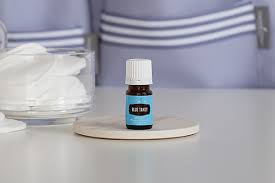
Blue tansy has also become a highly regarded essential oil.
Aromatherapy enthusiasts value it for its calming qualities, while many skincare professionals appreciate its soothing and restorative effects.
But how well-supported are these claims? Can this bright little flower truly help calm and heal the skin?
Scientific research is limited, but here’s what’s currently known about the potential benefits and uses of blue tansy oil.
What Is Blue Tansy?
Originally a wild plant native to the Mediterranean region, blue tansy — despite its name — actually produces yellow flowers. Today, it’s primarily cultivated in Morocco.
When its popularity in beauty products grew, the plant was harvested almost to extinction in the wild. Fortunately, sustainable cultivation has since increased, though blue tansy remains one of the more expensive essential oils — a 2-ounce bottle can cost over $100.
The flowers of Tanacetum annuum are yellow, with thin, white-fuzzy leaves. The essential oil carries a sweet, herbal scent due to its high camphor content.
How Is Blue Tansy Oil Made?
The flowers and stems of the blue tansy plant are steam-distilled to extract the essential oil. During distillation, a compound called chamazulene is produced.
When heated, chamazulene turns a deep blue color, giving the oil its signature indigo-to-cerulean hue. The chamazulene content in the plant changes naturally throughout the growing season, from May to November.
Potential Benefits of Blue Tansy Oil
Although there’s limited research on blue tansy’s clinical effectiveness, available evidence and traditional use suggest several potential benefits.
1. Calming Properties
While studies are lacking, some radiologists have used diluted blue tansy oil (mixed with water in a spray bottle) to soothe skin irritation and burns resulting from radiation treatments for cancer.
2. Anti-Inflammatory Effects
Research on blue tansy oil itself is scarce, but several of its main components have known anti-inflammatory actions:
-
Sabinene, a key compound in blue tansy oil, has demonstrated anti-inflammatory activity.
-
Camphor, another major component, has been shown to reduce inflammation in the body.
-
The American Chemical Society also reports that chamazulene, the pigment responsible for the oil’s blue color, has strong anti-inflammatory properties.
3. Skin-Healing Support
Camphor found in blue tansy oil may promote skin repair.
In one animal study, mice exposed to UV radiation showed improved skin healing when treated with camphor. Researchers suggested it may even help with wound repair and wrinkle reduction.
4. Antihistamine-Like Action
In traditional Chinese medicine, blue tansy has been used as a natural antihistamine to help ease nasal congestion.
Aromatherapists often recommend adding a few drops of the oil to a bowl of hot water and inhaling the steam for this purpose.
How to Use Blue Tansy Essential Oil
Here are a few common ways to experience the benefits of blue tansy oil:
In Creams or Carrier Oils
Always dilute blue tansy before applying it to the skin.
-
Add 1–2 drops of the essential oil to your regular moisturizer, cleanser, or lotion.
-
Alternatively, mix it with a carrier oil like coconut or jojoba oil before use.
In a Diffuser
Many people find the scent of blue tansy relaxing. Add a few drops to a diffuser to enjoy its aroma at home.
Note: Essential oils can sometimes trigger asthma or allergies, so it’s best to avoid diffusing them in workplaces or shared spaces.
In a Spritzer
To create a soothing spray, combine 4 mL of blue tansy oil with 4 ounces of water in a spray bottle. Shake well before each use.
If using during radiation therapy, avoid aluminum bottles, as aluminum can interfere with treatment. Opt for glass containers instead.
Safety and Side Effects
Like other essential oils, blue tansy should never be ingested and must be diluted before applying to the skin.
When purchasing, be sure you’re buying blue tansy (Tanacetum annuum) and not common tansy (Tanacetum vulgare).
Common tansy contains thujone, a toxic compound that makes it unsafe for aromatherapy or topical use.
Some practitioners recommend blue tansy for asthma, but essential oils can also trigger asthma attacks in sensitive individuals.
The American Academy of Asthma, Allergy & Immunology advises people with asthma to avoid diffusers and inhalers containing essential oils, as they can cause breathlessness or bronchospasms.
If you’re pregnant or breastfeeding, consult your doctor before using blue tansy or any essential oil — its effects on infants haven’t been well studied.
What to Look for When Buying
Because blue tansy is a premium oil, make sure you’re getting a high-quality product. Check the following:
-
The label should list Tanacetum annuum, not Tanacetum vulgare.
-
The oil should be pure, not mixed with vegetable or carrier oils.
-
It should be packaged in a dark glass bottle to protect it from light and preserve its potency.
Where to Buy
You can find blue tansy essential oil at health food stores or online through trusted retailers such as:
-
Amazon
-
Eden’s Garden
-
doTERRA
The Bottom Line
Blue tansy essential oil has earned attention for its soothing, anti-inflammatory, antihistamine, and skin-healing properties.
Although more research is needed to fully understand its benefits, existing evidence suggests that components like camphor, sabinene, and chamazulene may help calm inflammation and support skin repair.
When purchasing, ensure you’re buying blue tansy (Tanacetum annuum) and not common tansy (Tanacetum vulgare), which can be toxic.
If you’re unsure whether blue tansy or any essential oil is right for you, consult a healthcare professional before use.